Galilee Baptist Church

A Baptist Church in Tyler TX

  • About
    • Our Beliefs
    • Our Vision & Mission
    • Our History
    • Our Pastor
    • Our Leadership
    • Contact
  • Ministries
  • Events
  • Connect
    • Prayer Requests
    • Connection Card
  • Media
    • Sermons
    • Blog
  • Give
    • Via PayPal
    • Via Vanco
You are here: Home / Archives for Blog

“Our Ebenezer Stone”

November 23, 2025 By Alesha Williams

SERMON RECAP: SUNDAY, NOVEMBER 23, 2025

Based on the sermon by Pastor Anthony Williams

Anchor Scripture

“Then Samuel took a stone and placed it between Mizpah and Shen, and named it Ebenezer, saying, ‘Thus far the Lord has helped us.’”
— 1 Samuel 7:12 (NASB 2020)

Pastor Williams guided us to reflect on our own “Ebenezer stones”—the markers in our lives that bear witness to God’s faithfulness. Just as Samuel set up a stone as a reminder of God’s deliverance, we too are called to recognize how God has helped us “thus far.”

This message invites us into remembrance, gratitude, and renewed commitment as a church and as individuals.

1. The Reason for the Ebenezer Stone

Samuel’s stone was not simply a monument, it was a testimony. It reminded the nation of Israel that victory came only through God’s intervention. Pastor Williams reminded us that every believer has moments when God stepped in, guided, protected, or carried us. Our own Ebenezer stones mark God’s undeniable help.

2. Remembering Our Church History

Galilee Missionary Baptist Church, like Israel, has its own story of deliverance, provision, and growth. We stand on the prayers, sacrifices, and faith of generations before us. Reflecting on where God has brought us is part of how we remain grateful and grounded.

3. The Reality of God’s Present Faithfulness

While we honor the past, we also celebrate the faithfulness we see right now. God is continually active in our church, our community, and our personal lives.

Pastor Williams connected this with Scriptures like:

  • “LORD, You have been our dwelling place in all generations.” — Psalm 90:1

  • “For in the time of trouble He shall hide me in His pavilion… He shall set me up upon a rock.” — Psalm 27:5

God has not stopped showing up for His people.

4. Remaining Relevant in the Future

Just as Samuel led the people forward, our church must continue to move faithfully into the future. This means being spiritually relevant, community-focused, mission-minded, and committed to the work God has called us to do. The Ebenezer reminds us that the God who helped us before will guide us ahead.

5. Recognizing God’s Faithfulness in Your Life

Pastor Williams encouraged each of us to pause and ask:
Where has God helped you “thus far”?
Your Ebenezer may be a moment, a testimony, a deliverance, a healing, a breakthrough, or even a quiet season where God sustained you. What God has done personally is just as important as what He has done corporately.

Journaling Questions

  1. What “Ebenezer stones” can you identify in your own life, moments when God clearly helped you?

  2. Why is it important for you to remember God’s past faithfulness?

  3. What steps can you take to help Galilee remain spiritually relevant in the years ahead?

  4. What testimony could you share that would encourage someone else this week?

  5. Where is God calling you to set a “stone of remembrance” in this season of your life?

Filed Under: Blog, Stand Alone Sermons Tagged With: Christian Living, church history, Ebenezer, encouragement, faithfulness, Galilee Missionary Baptist Church, journaling questions, pastor williams, remembrance, Sermon Summary, spiritual growth, testimony

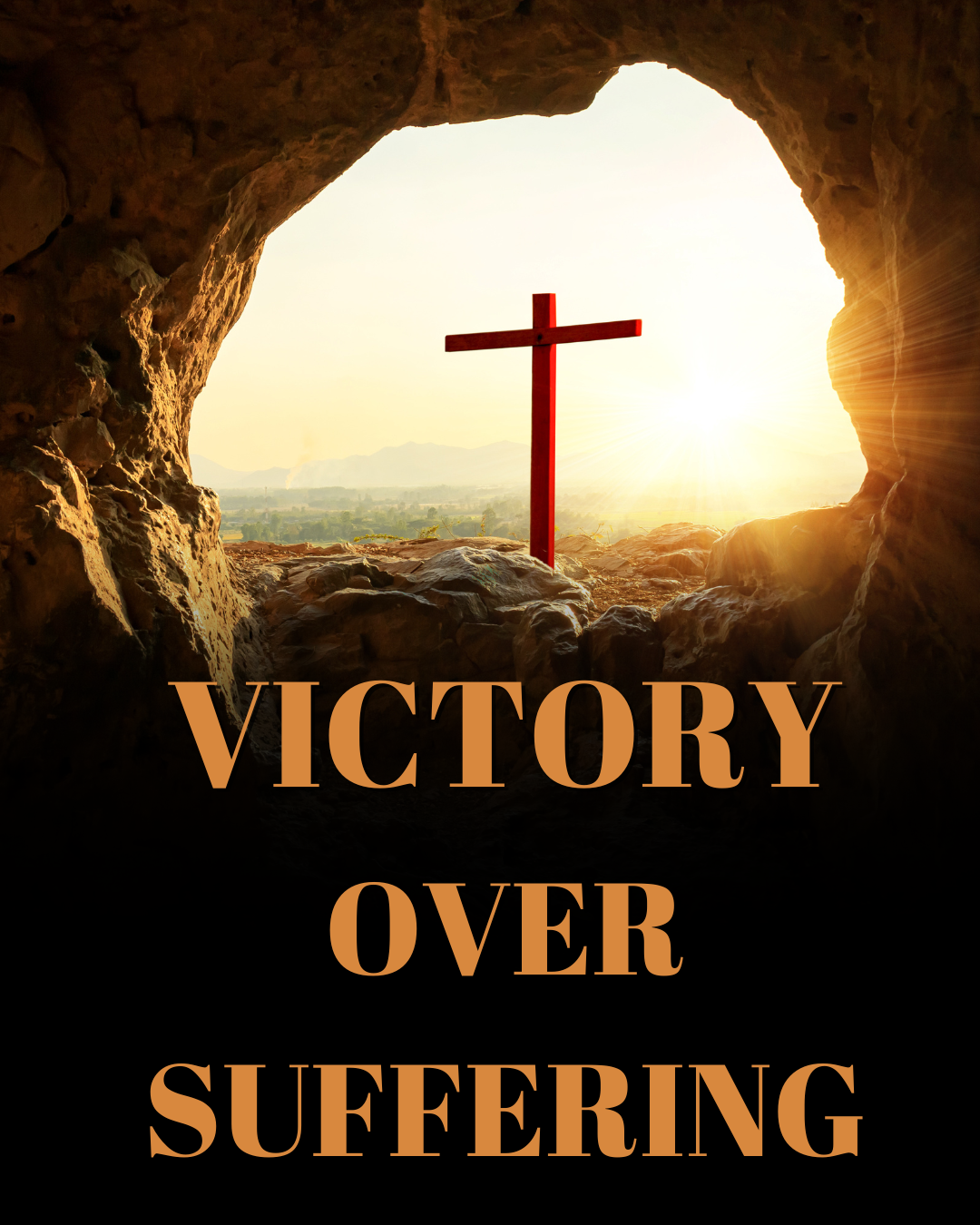
Standing Firm in Trials Series, Part 4: “Christ’s Victory Over Suffering”

November 14, 2025 By Alesha Williams

SERMON RECAP – November 16, 2025

In Part 4 of Pastor Williams’ Standing Firm in Trials series, we were reminded that while trials are unavoidable, victory through Christ is guaranteed. Scripture teaches us that the believer’s strength in suffering doesn’t come from personal ability or willpower. Our strength comes from trusting in the One who already conquered every battle we will ever face.

Our anchor scripture for this message calls every believer to spiritual readiness:

“Be of sober spirit, be on the alert.
Your adversary, the devil, prowls around like a roaring lion,
seeking someone to devour.”

— 1 Peter 5:8 (NASB 2020)

Pastor reminded us that standing firm is not passive; rather, it is an intentional, watchful posture of faith.

1. Recognizing the Battle: Satan’s Strategy of Discontentment

The enemy’s goal is to undermine our faith by stirring discontentment; causing us to lose gratitude, lose perspective, and eventually lose strength. But God has equipped us with everything we need to recognize and resist these attacks.

We are not powerless in this battle, nor are we alone.

2. Remembering Christ’s Confrontation: The Ultimate Spiritual Battle

Pastor walked us through how Jesus faced and defeated Satan’s attacks at every major moment of His earthly life:

  • In the wilderness

  • Throughout His ministry

  • At the cross

Hebrews 12:3 encourages us to look to Christ’s endurance:

“Consider Him who endured such opposition from sinners, so that you will not grow weary and lose heart.”

When we reflect on how Jesus stood firm, we gain strength for our own trials.

3. Responding With Weapons of Victory: Christ’s Example for Our Battles

Pastor Williams highlighted five spiritual weapons that empower believers to stand firm:

   1. Fix Your Eyes on Jesus — Hebrews 12:2

   2. Submit and Humble Yourself — 1 Peter 5:6

   3. Cast Your Anxieties on Him — 1 Peter 5:7

   4. Resist with Firm Faith — 1 Peter 5:9

    5. Embrace Suffering’s Purpose — 1 Peter 5:10

These steps are not burdens, they are biblical anchors that steady us when trials try to shake us.

4. Results Beyond the Battle: Eternal Perspective as Ultimate Victory

Pastor closed by reminding us that suffering is temporary, but God’s promises are eternal. When we adopt an eternal perspective, we can endure the present moment with hope.

Because Christ has victory over suffering, we can walk through our trials with confidence and assurance.


Journaling Questions

1. Where do I see the enemy using discontentment in my life, and how can I guard against it?

2. How does considering Christ’s endurance give me strength in my current trial?

3. Which of the five “weapons of victory” do I most need to put into practice this week?

Filed Under: All Sermons, Blog, Stand Alone Sermons Tagged With: bible study, Christian Living, church blog, endurance, faith encouragement, first peter, jesus christ, pastor williams, spiritual growth, spiritual warfare, standing firm, suffering, trials, victory in christ

Standing Firm Series, Part 3: “Courage in Crisis: Facing Your Giants”

November 10, 2025 By Alesha Williams

Sermon Recap – Sunday, November 9, 2025 

In this third installment of the Standing Firm series, Pastor Williams explored what it means to have Courage in Crisis—drawing lessons from David’s encounter with Goliath in 1 Samuel 17:26. David’s words, “Who is this uncircumcised Philistine, that he should taunt the armies of the living God?” remind us that courage is not the absence of fear but the presence of faith.

1. When Faith Meets Fear

Before every victory, there’s a moment of fear. Pastor Williams reminded us that the difference between running from fear and facing it head-on is faith. Like David, our courage must be rooted in the confidence that the battle belongs to the Lord, not to us.

2. Perspective on Giants

David’s perspective transformed an impossible situation into a testimony of God’s power. He understood:

  • The battle was the Lord’s.

  • His identity was grounded in being a servant of the living God.

  • Every challenge was an opportunity for God’s glory to be revealed.

When our perspective shifts from fear to faith, we can see obstacles as platforms for divine demonstration.

3. Our Particular Giants

Pastor Williams named three “giants” that believers often face:

  1. Discouragement – the voice that says, “You can’t.”

  2. Division – the enemy’s strategy to weaken God’s people.

  3. Denseness (Spiritual Slowness) – when complacency replaces conviction.

Each giant tests our endurance and unity, but through faith, they can be defeated.

4. Five Stones for Our Giants

David’s courage was matched by preparation and trust. Pastor Williams outlined five practical steps inspired by David’s “five smooth stones”:

  1. Remember God’s Faithfulness – Recall past victories.

  2. Reject Ill-Fitting Solutions – Don’t wear someone else’s armor.

  3. Focus on God’s Reputation – Act for His name’s sake.

  4. Take the Next Small Step – Move forward even when the outcome isn’t clear.

  5. Stand Together in Faith – Unity fortifies courage.

5. From Personal Courage to Community Strength

True courage doesn’t end with one victory—it spreads. When we stand firm individually, we strengthen the community around us. Courage inspires courage; faith multiplies faith.


Journaling Questions

  1. What “giant” am I currently facing that challenges my faith?

  2. How can I shift my perspective from fear to faith in this situation?

  3. Which of David’s “five stones” do I need to apply most right now?

  4. In what ways can my personal courage strengthen others in my community or church?

Filed Under: All Sermons, Blog, Stand Alone Sermons Tagged With: 1 Samuel, courage, crisis, david and goliath, encouragement, faith, Galilee Missionary Baptist Church, journaling faith, overcoming fear, Pastor Anthony Williams, perseverance, resilience, spiritual growth, standing firm

Standing Firm Series, Part 2: “Hope in Extended Trials”

November 3, 2025 By Alesha Williams

Sunday, November 2, 2025 

Sermon Recap

When life stretches longer than we expected—when the waiting feels endless and the answers don’t come easily, God still calls us to stand firm. This message preached by Pastor Williams titled, “Hope in Extended Trials,” reminds us through the story of Joseph that delay does not mean denial. God’s purposes are still unfolding, even in seasons of silence.

1. From Comfort to Waiting

Joseph’s life shifted overnight from favored son to forgotten slave. Each stage of his waiting (the pit, Potiphar’s house, and the prison) refined his faith and strengthened his dependence on God. Our own seasons of waiting serve a similar purpose, they strip away self-reliance so we can fully trust God’s timing.

“Blessed is the man who remains steadfast under trial…” — James 1:12

2. Challenges Along the Journey

Trials expose our hearts. Joseph faced betrayal, false accusation, and disappointment. Yet in every challenge, he chose faith over frustration. He didn’t allow bitterness to shape him; he let obedience lead him.

3. Continuing to Maintain Faith

Even when forgotten, Joseph practiced habits that sustained his hope:

  • Integrity: He honored God in private and public.

  • Service: He used his gifts to bless others, even while confined.

  • Spiritual awareness: He stayed sensitive to God’s voice and presence.

  • Perseverance: He believed that every step (even painful ones) was part of God’s plan.

4. Comparison: Learning from Joseph’s Example

When we compare our situation to Joseph’s, we find guidance:

  • Maintain integrity even when no one is watching.

  • Continue serving even when recognition is missing.

  • Stay spiritually attuned—trusting God’s unseen work.

5. Consideration: The Genesis 50 Perspective

In the end, Joseph could look back and say, “You meant evil against me, but God meant it for good.” (Genesis 50:20)
What others intended for harm, God transformed into purpose. The same God who redeemed Joseph’s story is writing yours, even in the waiting.


Journal Reflection Questions

  1. What “waiting season” are you in right now, and how might God be refining your faith through it?

  2. Which of Joseph’s practical habits—integrity, service, spiritual awareness, or perseverance—do you most need to strengthen?

  3. Looking back, can you see a time when something painful later revealed God’s purpose? How can that memory anchor you today?

Filed Under: Blog Tagged With: aith, Christian life, church blog, devotion, encouragement, Genesis, hope, inspiration, Joseph, journaling prompts, perseverance, spiritual growth, standing firm, trials, waiting

Standing Firm Series, Part 1: “The God of All Comfort”

October 27, 2025 By Alesha Williams

Sunday, October 26, 2025

Sermon Recap

Life isn’t always calm seas and sunny skies. Sometimes, the winds whip, the waves rise, and the storm feels endless. Yet even then, we have a God who doesn’t just watch from a distance—He comes alongside us.

That’s exactly what “comfort” means in the Greek word paraklesis—to come alongside.

In Part 1 of Pastor Williams’ new series, “Standing Firm: Finding Strength and Hope in Life’s Storms,” we’re reminded that God is not only present in our pain; He is the Father of mercies and the God of all comfort (2 Corinthians 1:3-7).

1. The Reality of Storms

Storms are part of life. They don’t mean God has left us—they mean we have an opportunity to experience His strength. Faith isn’t the absence of trouble; it’s confidence in His presence through it.

2. The Revealing Character of God

Our hardships often uncover something remarkable: God’s heart as Comforter. He doesn’t lecture us; He lifts us. Every time He comforts us, He’s also preparing us to comfort someone else.

 3. Real Confidence in the Storm (Psalm 46:1-7)

David understood storms too. His confidence came from knowing who God is:

“God is our refuge and strength, an ever-present help in trouble. Therefore we will not fear…”

Even when the earth gives way, we can stand firm because the God who steadies creation steadies us.

4. Renewed Strength in Weakness (Isaiah 40:31; 41:10)

When our strength runs out, His begins.

“Those who hope in the Lord will renew their strength… they will soar on wings like eagles.”

God promises, “Do not fear, for I am with you… I will strengthen you.” His comfort doesn’t just soothe—it revives.

5. Our Response — Receiving and Resting

How do we access this divine comfort?

  1. Be honest about our need for it.

  2. Turn toward God, not away from Him.

  3. Receive His comfort through His Word, His people, and His presence.

When we rest in His care, peace replaces panic.

6. Resting in God’s Comfort

The same God who comforts us in our pain uses our stories to comfort others. Our storms become someone else’s shelter when we share what He’s done.

Takeaway: Standing firm doesn’t mean standing alone. It means standing with the God who stands beside you—comforting, strengthening, and renewing you every step of the way.


✍🏽 Journal Questions

  1. What storm in your life might God be using to reveal more of His character?

  2. When have you most clearly experienced God’s comfort, and how did it change you?

  3. Who in your life could benefit from the comfort you’ve already received?


Filed Under: Blog Tagged With: comfort, encouragement, faith, Galilee MBC Tyler, hope, renewal, sermon series, spiritual growth, standing firm, storms

“Divine Protection In Spiritual Warfare”

October 12, 2025 By Alesha Williams

Sermon date: October 12, 2025

Sermon Title: “Divine Protection in Spiritual Warfare”

Scripture Focus: Isaiah 54:17 — “No weapon formed against you shall prosper, and every tongue which rises against you in judgment You shall condemn. This is the heritage of the servants of the Lord, and their righteousness is from Me,” says the Lord.

Sermon Recap

Pastor Williams instructed us that God’s Word reminds us that although weapons will be formed against us, they will not succeed. Our protection in spiritual warfare is rooted not in our strength but in the promises of God. From Deuteronomy 31:6, we are encouraged to “be strong and courageous,” while Romans 8:28 and 8:31 assure us that God works all things together for good and that no one can stand against those whom He has chosen.

Sermon Points

Point 1 – Realizing the Theological Foundation:
Our defense begins with understanding who God is and who we are in Him. Confidence and peace flow from the truth that God is sovereign, faithful, and ever-present.

Point 2 – Recognizing Spiritual Attacks:
The enemy’s common tactics (doubt, discouragement, despair, division, and isolation) seek to weaken faith. Recognizing these strategies helps us respond with prayer and Scripture instead of fear.

Point 3 – Remembering the Practical Applications:
We live in victory when we walk in God’s promises:

  1. Stand on God’s Word – Speak and believe His truth daily.
  2. Engage in spiritual disciplines – Pray, worship, fast, and study the Word.
  3. Put on the full armor of God – Guard your mind, heart, and spirit with faith and righteousness.

Point 4 – Remember There Will Be Weapons:
Spiritual warfare doesn’t mean the absence of trials—it means victory through divine protection. God’s covering is seen in guidance during difficulty, comfort through prayer, and unexpected help that reminds us He is always present. No accusation or attack can overturn the heritage of righteousness that belongs to the servants of the Lord.


✍🏽 Journaling / Reflection Questions

  1. What “weapons” have recently formed against you, and how have you seen God’s protection at work?
  2. How can you recognize when discouragement or isolation are spiritual attacks rather than ordinary emotions?
  3. Which spiritual discipline has been hardest for you to maintain, and what steps can help you strengthen it?
  4. When have you experienced divine protection through unexpected help or guidance?
  5. How does knowing your righteousness is from God give you courage in daily battles?


Filed Under: Blog Tagged With: armor of God, Christian Living, deliverance, Divine protection, encouragement, faith, Galilee Missionary Baptist Church, God’s promises, Isaiah 54:17, journaling, Pastor Anthony Williams, prayer, reflection questions, righteousness, spiritual growth, spiritual warfare, Sunday sermon, Tyler Texas, victory

“Standing on the Promises of God”

October 5, 2025 By Alesha Williams

Sermon date: October 5, 2025

What a powerful reminder we received from Pastor Williams in this week’s message titled, “Standing on the Promises of God.”

Our focus scripture, 2 Peter 1:3–4, reminds us that God’s divine power has already given us everything we need for life and godliness. Through knowing Him, we have access to “precious and magnificent promises” that strengthen us, sustain us, and set us apart from the world around us.

Pastor shared six (6) key points to help us build a faith that truly stands on God’s promises:

  1. Faith as Our Foundation in Uncertain Times
  2. Focus on the Precious Promises in 2 Peter 1:3–4
  3. Firmly Standing on Faith: Our Response to God’s Promises
  4. Fine Examples of Faith: Biblical, Historical, and Personal Testimonies
  5. Forging Ahead with Practical Steps to Strengthen Our Faith
  6. Finally, Living Confidently on the Foundation of Faith

Each point reminded us that faith isn’t just something we talk about; it’s something we live out. When we choose to trust God, we discover that His promises aren’t just comforting words, they’re living truths that sustain us through real-life storms.

Pastor pointed to so many beautiful examples: Elijah being fed by ravens, the widow whose jar of oil never ran out, the Israelites receiving manna every morning, and Paul learning to be content in every circumstance. We also heard about modern believers like George Müller and Corrie ten Boom, whose stories remind us that God still provides, protects, and performs miracles today. And if we’re honest, many of us could add our own testimonies, those moments when God showed up right on time, sent help through a friend, made provision we didn’t expect, or gave us peace when we couldn’t find it anywhere else.

Pastor didn’t just leave us with inspiration; he gave us practical steps too. To stand firm in faith, we should:

  • Know the promises God has made, get familiar with His Word.
  • Remember past faithfulness, keep a record of answered prayers.
  • Surround ourselves with faith-filled people who speak life.
  • Act on faith, even when the path isn’t clear.
  • Praise in advance, thanking God before the blessing arrives.

When we live this way, we begin to see that God’s promises aren’t distant or abstract, they’re personal. They meet us where we are and lead us where we need to go.

So let’s keep standing, trusting, and believing that what God has spoken, He will perform. 💪🏽✨


Take a few minutes this week to reflect or journal:

  • Which of God’s promises has carried me through a difficult season?

  • Where in my life am I still struggling to fully trust His timing?

  • Who in my circle demonstrates faith under pressure — and what can I learn from them?

  • What’s one way I can “praise in advance” this week?

  • How can I remind myself daily that God is faithful?


    Promises from Scriptures

    During tough times, focusing on specific promises from Scripture can provide comfort and strength. Here are some key promises to keep:

    1. God’s Presence

       – Promise: “I will never leave you nor forsake you.”

         (Hebrews 13:5)

       – Focus: God is always with you, even in your darkest moments.

    1. Peace in Troubling Times

       – Promise: “Peace I leave with you; my peace I give you.”

         (John 14:27)

       – Focus: God offers a peace that transcends understanding, even amid turmoil.

    1. Strength in Weakness

       – Promise: “I can do all things through Christ who strengthens me.”

         (Philippians 4:13)

       – Focus: In your weakness, Christ provides the strength you need to persevere.

    1. Hope and a Future

    – Promise: “For I know the plans I have for you, declare the Lord, plans to prosper you and not to harm you, plans to give you hope and a future.”

         (Jeremiah 29:11)

      – Focus: Trust that God has a purpose and plan for your life, even when things seem bleak.

    1. Comfort in Sorrow

       – Promise: “Blessed are those who mourn, for they will be comforted.”

         (Matthew 5:4)

       – Focus: God promises to comfort you in your grief and sorrow.

    1. Help in Times of Trouble

       – Promise: “God is our refuge and strength, an ever-present help in trouble.”

         (Psalm 46:1)

       – Focus: You can turn to God for refuge and assistance in your struggles.

    1. Restoration and Renewal

       – Promise: “He will restore the years that the locust has eaten.”

         (Joel 2:25)

       – Focus: God has the power to restore and renew what has been lost.

    1. Victory Over Fear

      – Promise: “For God has not given us a spirit of fear, but of power and of love and of a sound mind.”

         (2 Timothy 1:7)

       – Focus: You have the power to overcome fear through God’s strength.

    1. Unfailing Love

         – Promise: “The steadfast love of the Lord never ceases; His mercies never come to an end.”

         (Lamentations 3:22-23)

       – Focus: God’s love and mercy are constant, providing hope each day.

    1. Eternal Life

         – Promise: “And this is the promise that He made to us – eternal life.”

         (1 John 2:25)

         – Focus: No matter the trials of this life, you have the promise of eternal life with Him.

    Conclusion

    In challenging times, meditate on these promises, write them down, or share them with others. Let them remind you of God’s unwavering faithfulness and love.

Filed Under: Blog Tagged With: 2 Peter 1:3–4, bible study, Christian Living, church blog, devotion, Discipleship, encouragement, faith, Flint Texas, Galilee Missionary Baptist Church, God’s faithfulness, God’s promises, hope, inspiration, journaling, life lessons, Pastor Anthony Williams, prayer, reflection, scripture focus, spiritual growth, standing on faith, testimony, trust, worship

“The Danger Of Not Knowing God”

September 29, 2025 By Alesha Williams

Sermon Summary from Sunday, September 28, 2025

In Exodus 5:2, Pharaoh defiantly asked, “Who is the LORD that I should obey His voice to let Israel go? I do not know the LORD, and besides, I will not let Israel go.” Pastor Williams reminded us that Pharaoh’s words reveal not just ignorance, but a willful rejection of God’s authority. His refusal to know God brought devastation, and the same danger exists today when we fill our lives with knowledge of many things but remain ignorant of the One who matters most.

Pastor Williams’ sermon walked us through five powerful points:

  1. Catastrophic Consequences
    Pharaoh’s rebellion shows that not knowing God is never neutral—it is destructive. From Pharaoh’s plagues to the rich fool in Luke 12 to Paul’s warning in Romans 1, Scripture reveals that ignoring God always leads to loss and ruin.
  2. Contemporary Examples of Modern Knowledge Without God
    We live in an Information Age where people know sports stats, song lyrics, and trivia—but spend little time in prayer or God’s Word. Our culture treats God as irrelevant, echoing Pharaoh’s question: “Who is the Lord that I should obey Him?”
  3. The Contrast of Knowing About vs. Knowing God
    There’s a difference between head knowledge and heart knowledge. Knowing about God can puff us up, but truly knowing Him transforms our lives. Jesus warned in Matthew 7:22–23 that many will claim His name, yet hear Him say, “I never knew you.”
  4. Consider the Transformative Power of Knowing God (Testimonies)
    True relationship with God changes everything. Paul counted all else as loss for Christ, Augustine found rest only in God, and countless modern testimonies bear witness to freedom, peace, and restored lives that flow from truly knowing the Lord.
  5. Conclusion: From Knowledge to Relationship
    Pharaoh’s ignorance led to devastation, but we are invited to something greater—an intimate, saving relationship with God. In the end, it won’t matter what earthly knowledge we’ve accumulated; what will matter is whether we can say with confidence: “I know the LORD, and I have followed His voice.”

Journaling & Introspective Questions

  1. Pharaoh asked, “Who is the Lord that I should obey Him?” How do I sometimes ask this same question in my actions or attitudes?
  2. What consequences have I seen in my own life or others’ lives when God is ignored?
  3. What “modern knowledge” tends to crowd out my time with God?
  4. Do I see areas where I only know about God rather than truly know Him?
  5. How has truly knowing God, not just facts about Him, brought transformation in my life?
  6. What one step can I take this week to move from surface-level knowledge to a deeper relationship with Him?

Filed Under: Blog Tagged With: biblical teaching, Christian Living, danger of ignorance, Discipleship, eternal life, Exodus 5:2, faith, Galilee Missionary Baptist Church, knowing about God vs knowing God, knowing God, modern culture and faith, obedience to God, Pastor Anthony Williams, Pharaoh, rejecting God, relationship with God, Sermon Summary, spiritual growth, transformation

“Stay Close, Stay Clean, or Be Good For Nothing.”

September 21, 2025 By Alesha Williams

Sermon Date: Sunday, September 21, 2025
Preacher: Senior Pastor Anthony Williams

Sermon Summary: Jeremiah 13:1-7 — Stay Close, Stay Clean, or Be Good for Nothing

This week’s sermon, based on Jeremiah 13:1-7, used the imagery of a ruined belt to illustrate the dangers of spiritual complacency. The belt, meant to cling closely to its owner, represents Israel’s relationship with God. When hidden and neglected, it became ruined and useless, symbolizing the consequences of drifting away from Him.

Pastor Williams challenged believers with the message: “Stay Close, Stay Clean, or Be Good for Nothing.” He emphasized the importance of prayer, moral integrity, and active church involvement. Neglect in these areas leads to spiritual ineffectiveness and division within the body of Christ.

The sermon highlighted three critical areas of complacency:

  • Prayerlessness – separates Christians from God’s presence and perspective.

  • Moral compromise – erodes unity and trust.

  • Lack of church engagement – fosters division and leaves ministry needs unmet.

The call to action is clear: recommit to prayer, renew moral integrity, and reengage in service to restore unity and effectiveness in the church. The message closed with hope, reminding believers that God’s grace makes renewal and restoration possible, urging us to cling to Him and one another to fulfill our purpose as His people.


Reflection Questions

1. How does spiritual complacency manifest in your daily life, and what steps can you take to address it?

2. In what ways can prayer strengthen unity within a church community?

3. What small compromises in your life might be leading to moral decay, and how can you reverse them?

4. How can you move from being a spectator to an active participant in your church’s ministry?

5. What practical actions can you take to foster unity and avoid division within the church?

6. How can we improve our prayer life as a community?

Filed Under: Blog Tagged With: Active Faith, Biblical Imagery, Body of Christ, Christian Living, Christian Service, Church Unity, Discipleship, Faithfulness to God, God’s Grace, Jeremiah 13, Moral Compromise, Moral Integrity, Prayer and Worship, Prayerlessness, Restoring Purpose, Ruined Belt, Sermon Summary, Spiritual Complacency, Spiritual Renewal, Stay Close Stay Clean

THE ELEMENTS NEEDED TO HAVE JOY!

January 9, 2022 By Reverend Anthony Williams

Focus verses: Philippians 1:1-2 (NKJV): Paul and Timothy, bondservants of Jesus Christ, To all the saints in Christ Jesus who are in Philippi, with the bishops and deacons: Grace to you and peace from God our Father and the Lord Jesus Christ.

In 2022, we will probably encounter many thieves that will try to rob us of our joy if we let them. How do I know, because more than likely, these were the same thieves that we have encountered in previous years. I call these thieves the 4 (four) P’s:

  1. The thief named problems. Many times, we allow the circumstances in our lives rob us of our joy.  The Apostle Paul wrote many of his letters to the churches from a cold prison cell, but that did not rob him of his joy.
  2. People can rob us of our joy. Paul said that there were some that preached Christ hoping to add to his misery.  Not even that discouraged Paul.  All that mattered to Paul was that Christ was being preached.
  3. Possessions can rob us of our joy. It could be the things that we don’t have that we are struggling so hard to get.  It could be the things that we do have that we fight so hard to keep.
  4. Pressure (worry) can rob us of our joy. We spend most of our time worrying about things that will never happen, or things that we have no control over.

As Christian our lives are to be filled with joy. How do I know that?  Because Jesus said that our lives should be full of joy.

John 15:11 These things have I spoken unto you, that my joy might remain in you, and that your joy might be full.

The word “joy” is found in one form or another fifteen (15) times in the 104 verses that make up Paul’s letter to the Philippians. When Paul writes about joy, he is writing from experience. He is not writing from a wood-paneled office, he writes from a prison cell. When Paul and Silas visited Philippi, they were thrown in jail because they were considered to be troublemakers. While they were in jail, they prayed and sang praises to God.  Joy was a companion of Paul in every circumstance.

I believe that throughout the book of Philippians, starting in the first chapter, Paul gives us some of the criteria for joy.

I want to examine the two criteria that are revealed in Philippians 1:1-2.

Philippians 1:1-2 (NKJV): Paul and Timothy, bondservants of Jesus Christ, To all the saints in Christ Jesus who are in Philippi, with the bishops and deacons: Grace to you and peace from God our Father and the Lord Jesus Christ.

II. WE MUST HAVE THE RIGHT ATTITUDE

Our attitude determines our altitude or how high we fly. Our attitude determines our outcome in life. In order to have a continuous and consistent flow of joy in our lives, we must have the proper attitude toward Christ and others. We must have a submissive attitude to the Lordship of the Lord Jesus Christ if we are to be full of joy. Let’s examine the two characteristics of a submissive attitude.

      1. The Servant Heart

Paul refers to himself and Timothy as “servants” of Christ. The word in the Greek is really the word “bond slave or love slave”. Paul saw himself as a person who was a prisoner of Christ.  Paul was a prisoner voluntarily not out of oppression. In other words, Paul chose to be a slave of Christ because of his love for Christ.  Paul was not interested in serving Himself but serving his Lord. He was not living by His rules but by the rules of the Master. Paul had become a voluntary slave of Christ.

To some people this would be an offensive image. They resist the idea of being anyone’s slave. The reason for this is simple: our images of slavery are all negative. We envision abusive taskmasters. And I am sure that some of the slave owners in Paul’s day were like this. But many others were not. Some were honest people giving folks a chance to work off a debt.

Later in this same chapter Paul says that dying would be gain and living on would mean “fruitful labor”. He saw his life as existing for one purpose and one purpose only: to glorify God and to serve Him fully.

Do you see how different this attitude is from the attitude we often live with? We tend to view Christ as OUR servant rather than vice versa. We ask Him to do our bidding. If things don’t go our way, we want an explanation. We demand more than we submit; we direct more than we follow. It is only when we submit to Christ with a willingness to follow His leading and accept His wise providence that we will find joy. Joy in our lives is produced by the Lord Jesus and not by us.

    2. A Sanctified Heart and Mind

Paul writes to the “Saints in Christ” in Philippi. The title “saint” is a title we don’t use very often. When we think of a “saint” we generally think of a person who is:

1) Extraordinary in their commitment, or

2) One who has died in their service to the Lord.

But a saint is literally, a “set-apart one”. If you are a true follower of the Lord Jesus Christ, you are a saint! You are a person specially set-apart for His purpose and to accomplish His will.

What I want you to see is that this is a position of honor. We are “set-apart” for a special task . . . we are specially chosen to serve the Lord. We need to realize that we have been extended a tremendous privilege in being called His children.

1)      Notice also that we are “saints in Jesus Christ”. Twice in two verses we have seen this phrase “in Christ”. In fact, references to Christ occurs nineteen (19) times in this first chapter alone! Paul saw Himself as a servant of Christ who lived “in Christ” for the purpose of glorifying Christ.

2)      If we want to know joy, we must have this attitude of submission and must never forget our honored calling. Joy comes from having a lifestyle where we are always conscious of our position and our privilege in the Lord Jesus Christ.

Look in the mirror…

The task then is to remind ourselves every moment that we are children of the King. How do we do this?

Every once in a while, look in the mirror and remind yourself that you are a “saint”!

Wherever you are, remind yourself that you serve a higher purpose. When you are screaming at a game or upset at a checkout lane or frustrated on the phone . . . remind yourself that you represent Jesus.

When life gets hectic, make it a point to find a quiet corner periodically to stop and make contact with the Master.

Ask God to give you His perspective on other people, circumstances, things we crave, our time, our money, and our hopes.

When you feel discouraged and depressed and insignificant, remind yourself that you are specially chosen . . . you belong to the King of Kings and the Lord of Lords . . . you are a saint, given the privilege of serving God.

II. WE MUST BELIEVE THE RIGHT MESSAGE

“Grace to you and peace from God our Father and the Lord Jesus Christ”

Paul uses two words that are words of greeting but also words, which carry great weight: “grace” and “peace”. Both of these words together contain the essence of the gospel message. Paul always chooses his words carefully; I think that is certainly the case here as well.

        1. The Message of Grace

The word grace is a word that means an “undeserved gift”. When we say that we are people who have received grace it means we have received a gift we did not deserve. Grace is God’s unmerited favor toward undeserving sinners. Grace is God’s riches at Christ’s expense. What was that gift? It was new life through the sacrifice of the Lord Christ Jesus on our behalf. Basically, God’s grace means two things to us.

1) It means we have received an undeserved forgiveness. Suppose your family suffered a horrible tragedy. Now suppose also that the person who was responsible for the tragedy was unmoved and seemed like they didn’t care. Would you be upset? You bet you would!

Now suppose you extended forgiveness to that person . . . if you had the charges dropped, would they deserve that forgiveness? What about if you took the punishment for them? They would deserve it even less. But this is what God has done for us. We sinned against Him time and time again. We weren’t sorry; instead we cursed God and sought to justify our actions and sometimes still do. Jesus took our punishment and gave us forgiveness. Do we deserve forgiveness? Not even a little bit. Yet, God extends forgiveness to us by virtue of what Christ has done for us.

2) Grace means that we are also recipients of an unmerited love. Think about it . . . God reached out to you and me in our rebellious state. He not only offers us forgiveness . . . He welcomes us as a part of His own family! God declares us Holy (pure), He gives us access to His presence, He promises us an eternal inheritance. Not because of our nature but because of His love.

Being saved by Grace means:

  • Our hope of salvation is not based on what we do or have done but on what God has done for us through the Lord Jesus Christ. No one will stand around in Heaven and talk about the great things they did to deserve salvation. We will all point to the Lord Jesus Christ and say He alone is worthy of the praise.
  • Grace means the guilt of the past is gone. Everything! All the rebellious, stupid, foolish, hurtful, and arrogant things we have done are forgiven. Every sin has been forgiven. God relates to us as those who have never sinned at all. Rather than being God’s enemy we are His friends.
  • Grace means when I mess up and sin there is forgiveness when I confess it and repent of it.
  • Grace means that I should extend to other what God has extended to me through his Love. That is forgiveness and acceptance.

When we experience the grace of God we can and should experience joy. We must stop trusting our own efforts and start resting in what He has done FOR us. Once we realize that we don’t have to stay on the treadmill of life, once we realize that bad things don’t happen to us because God is mad at us, once we understand that God’s promise is sure and His grace is dependable . . . we begin to experience a deep joy. The burden is lifted; we can begin to enjoy the journey.

        2. The Message of God’s Peace

The word peace (“shalom”) was a common greeting among the Jews. This peace did not refer to an absence of war. It refers to the total wellbeing of a person and everything that makes for a man’s highest good. It is related to a word that means to join, to weave together. When we say we “have it all together” or “everything is coming together” we are getting close to the idea of Shalom.

In Romans 5:1 Paul tells us, “Therefore, having been justified by faith we have peace with God through our Lord Jesus Christ through whom we have gained access by faith into this grace in which we now stand.”

We are made right with God through the grace of God and then we have peace with God. We can’t know peace until the problem of sin has been dealt with. We must receive God’s grace FIRST . . . then we will know peace. Paul tells us that “having been justified” we have peace. We must get the order right.

This peace encompasses several dimensions.

First, there is peace with God. This means as a result of God’s grace we are no longer fighting God but instead are being loved by and guided by God. As a result of grace we are no longer afraid of God. We don’t have to hide like Adam and Eve did. We are friends of God. The peace we have with God is not like the peace that so often exists in the world. It is not a peace that is fragile.

Second, we have peace with our circumstances. If you read on in Romans 5 you will see that Paul says that we are people who can rejoice in our sufferings. We have peace in the time of turmoil because we know that God is in charge. We know that He is using the circumstances of life to train us and mold us. No matter what happens we know that nothing will separate us from the love of God. The peace we have with God transcends our circumstances.

Third, we have peace with ourselves. Have you ever had someone tell you, “I need to find myself”? As goofy as it sounds, you and I know that this is a figure of speech, which means a person is trying to understand their purpose, their personality, their deepest aspirations. They feel confused, disoriented. When we know God’s peace, all the pieces come together. People who need to find “themselves” are not really looking for themselves they are looking for Jesus. He is alone is the source of peace.

The peace of the gospel leads us to confidence and joy. This is the truth that distinguishes us as Children of God, and it is the seed of joy. This is the message our Lord has entrusted to us for the world. We have what the world is looking for. And there are few things that bring greater joy than to share with someone else what it means to be a believer.

If we are going to experience joy in our lives, we must be right with God. We must see ourselves as those who have been given grace beyond measure and as a result experience a peace without equal. We must consider ourselves servants of God even as we consider ourselves set-apart for His service. We must take our eyes off of ourselves, off our circumstances, and off of each other and, we must focus on the Lord Jesus Christ. We must see Him as our life and our joy. Joy comes from Christ and Christ alone.

To have joy, you must have a:

Single mind that is devoted to the Lord Jesus Christ;

Submissive mind that is surrendered to the will of God;

Spiritual Mind that is focused on the things of God; and a

Secure Mind that is resting (secure) in the relationship with the Lord Jesus Christ.

In this new year, do you long for joy in your life? Do you want an anchor for the storms of life? If you do, then Jesus is who you are looking for.


To learn more about how you can establish a personal relationship with Him, please complete the Virtual Connection Card on our website.

Filed Under: Blog Tagged With: GRACE, JOY, MIND, PAUL, Philippians

  • « Previous Page
  • 1
  • 2
  • 3
  • Next Page »

Search Galilee

Weekly Meetings

SUNDAYS:   10:00am: Sunday School
11:00am: Worship Service

WEDNESDAYS:   7:00pm: Bible Study (virtually via dial-in number 903-705-1352)

FRIDAYS:   7:00pm: Prayer Call (virtually via dial-in number 903-705-1352)

Physical Address

15876 CR 1113
Flint, TX 75762
Get Directions
(430) 351-1003
galileembctyler@gmail.com

Mailing Address

P.O. Box 4066 Tyler, TX 75712

Meet Our Pastor

Pastor Anthony Williams

On October 15, 1989, Anthony L. Williams accepted the call as pastor of Galilee Baptist Church. … Read More.

Copyright © 2026 Galilee Baptist Church in Tyler, TX · Website by Digital Skyrocket